
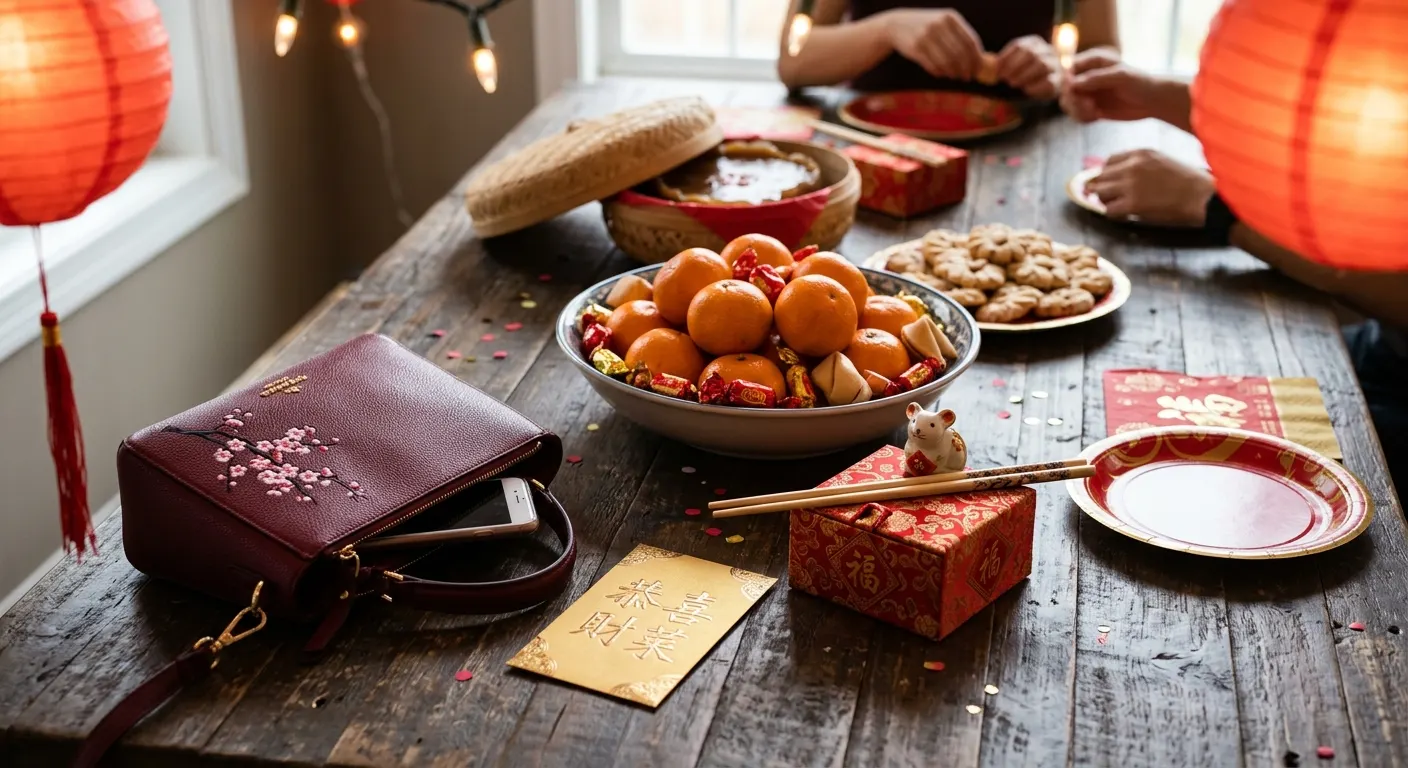
Showing up to a Chinese New Year celebration with the wrong gift, or the right gift wrapped the wrong way, is an easy mistake to make if you didn’t grow up with the tradition. Nothing about it is meant to trip up an outsider, the rules just run on a different logic than most Western gift-giving does, built around symbolism, sound, and color rather than personal preference. Get the basics down and you’ll walk in looking like someone who actually respects the occasion, not someone guessing.
Here’s what matters, split into what to actually bring, how to hand it over the right way, and what to steer clear of entirely.
What to Actually Bring
1. Mandarin Oranges or Tangerines, in Pairs
This is the single safest, most traditional gift you can bring. Their golden color and round shape already read as wealth, and in Chinese, the word for orange sounds close to the words for success and luck. Always bring them in an even number, never a single piece or an odd count.
2. A Box of Assorted Candies (the “Tray of Togetherness”)
Many households keep an eight-sided candy box out during the New Year period specifically for guests, and bringing a nicely packaged assortment of candy or dried fruit as a gift plays into that same tradition. It’s an easy, low-risk option if you’re not sure what else to bring.
3. Live Plants With Good Symbolism
Lucky bamboo, colorful orchids, a small money plant, or a miniature citrus tree are all considered strong, thoughtful gifts, since living plants carry connotations of growth and prosperity carrying into the new year. Skip cut flowers for this one, live and rooted is the better choice here.
4. A Nice Box of Tea
Tea is a classic, always-appropriate gift for Chinese New Year, especially for older relatives or more formal hosts. A well-packaged tin or box reads as thoughtful without being overly personal, which makes it a safe pick even if you don’t know the household well.
5. Red Envelopes (Hongbao), If You’re Old Enough to Be Giving Them
If you’re an adult attending as a guest of the older generation, or you’re married, giving red envelopes filled with money to children or unmarried younger relatives is expected. Use crisp, new bills, never wrinkled or torn ones, and stick to an even amount that avoids the number four entirely.
6. A Bottle of Sparkling Wine, Paired With Mandarins
If you’re attending a more Western-hosted or blended celebration, a bottle of something to toast with, paired with a small basket of mandarins, covers both the traditional symbolism and a more familiar hostess-gift instinct at the same time.
7. Home Decor With Festive Motifs
Paper-cut window decorations, a calligraphy scroll with the character for fortune, or a small LED lantern all make thoughtful gifts if you want to give something the household can actually display during the celebration itself, rather than something that gets eaten or spent.
How to Give and Receive It the Right Way
8. Present Everything With Both Hands
Handing a gift over with both hands, rather than one, is a basic sign of respect in Chinese etiquette, and it matters more with elders than with peers your own age. It’s a small gesture, but it’s noticed.
9. Stick to Even Numbers, Never Four
Pairs and even counts represent balance and harmony. The number four is the one to avoid specifically, since it sounds close to the word for death in several Chinese dialects. A set of eight, by contrast, is considered especially lucky.
10. Wrap Everything in Red or Gold
Skip white or black wrapping paper entirely, both colors are strongly associated with mourning and funerals in Chinese culture. Red, gold, or pink packaging is always the safer, more festive choice.
11. Don’t Expect the Gift to Be Opened in Front of You
Unlike a lot of Western gift-giving, it’s common and polite for the recipient to set your gift aside and open it later, in private, rather than unwrapping it the moment you hand it over. Don’t take it personally if that happens.
12. Give Gifts to the Oldest Person First
If you’re presenting something to a whole family or group at once, offer it to the eldest or most senior member of the household first. It’s a small hierarchy detail, but skipping it can read as a real oversight to anyone paying attention.
13. A Gift Might Get Politely Declined at First
It’s common for a host to initially wave off a gift out of politeness before accepting it. Offer it again if that happens rather than assuming the first “no” is final, though if they decline a second time, let it go gracefully.
What to Absolutely Avoid Bringing
14. Clocks or Watches
This is the taboo gift almost everyone mentions first, and for good reason. In Mandarin, “giving a clock” is a near-homophone for a phrase describing attending someone’s funeral. It doesn’t matter how nice the clock is, it’s off the list entirely.
15. Sharp Objects Like Knives or Scissors
Anything with a blade symbolizes cutting ties or severing a relationship, which makes it a genuinely poor choice for a celebration about togetherness. If you happen to receive one as a gift yourself, tradition says handing back a small coin in exchange “buys” the item and cancels out the bad symbolism.
16. Pears
It’s a small detail, but pears are specifically avoided as a fruit gift, since the word for pear sounds close to the word for separation or parting ways. Stick with oranges, tangerines, or pomelos instead.
17. White or Black Flowers, Especially Chrysanthemums
Cut flowers in general carry funeral associations in Chinese culture, and white flowers or chrysanthemums specifically are almost exclusively tied to mourning. If you want to bring flowers at all, a live, potted plant is the safer route.
18. Mirrors, Dolls, or Wallets
These show up less often on shorter etiquette lists, but they’re worth knowing. Mirrors are believed to attract restless spirits, dolls carry a similar superstition in some households, and giving a wallet is thought to symbolize handing over your own prosperity along with it.
A Few Modern, Practical Notes
19. Digital Red Envelopes Are Increasingly Normal
If you’re close with the family and know they use WeChat or Alipay, a digital hongbao sent through the app has become a widely accepted modern equivalent to a physical red envelope, particularly among younger generations. It’s not a replacement for an in-person gift if you’re actually attending the party, but it’s worth knowing this exists as its own now-standard custom.
20. Timing Matters More Than People Expect
Gifts are typically given on New Year’s Day itself or during the days that follow, not before New Year’s Eve, since giving early can come across as rushing the celebration. If you’re invited to a party held before the actual New Year, it’s still fine to bring something, just don’t be surprised if the more formal round of family gift-giving happens on a separate day you’re not part of.
Getting all twenty of these exactly right isn’t the actual goal. Showing up with a thoughtful, correctly wrapped gift, offering it with both hands, and steering clear of the handful of genuine taboos, clocks, sharp objects, and white funeral flowers chief among them, covers the vast majority of what actually matters. The rest is just good manners with a little extra intention behind it.
Leave a Reply
You must be logged in to post a comment.