

If you’re spending the New Year period in Phoenix, the city’s real strength isn’t fireworks or countdown parties. It’s weather that actually lets you get outside and see something. While much of the country is bundled up indoors, Phoenix in late December and early January offers mild days, wide-open desert scenery and a mix of hiking, gardens, museums and architecture you can’t easily combine anywhere else.
For desert scenery, go to Desert Botanical Garden. For a free outdoor stop, choose Papago Park. For a serious hike, Camelback Mountain delivers, but only for fit visitors. For panoramic views without the difficulty, South Mountain and Dobbins Lookout are the easier alternative. For culture, the Heard Museum stands out, and Musical Instrument Museum is the strongest indoor option if weather or heat sensitivity is a concern. Families tend to get the most out of the Phoenix Zoo.
Why Phoenix Works for a New Year Sightseeing Trip
Winter is Phoenix’s most comfortable season for exploring on foot. Visit Phoenix, the city’s official tourism organization, describes winter days as typically featuring clear skies with highs in the 60s and 70s, though nights and early mornings can turn chilly.
That temperature swing matters for planning. A December afternoon might feel like a mild spring day, while a January morning at a trailhead can start in the 40s. Pack layers rather than assuming Arizona automatically means warm.
A few practical points worth knowing before you build an itinerary:
- Outdoor attractions that would be uncomfortable or even risky in Phoenix’s summer heat are genuinely pleasant in winter.
- Hiking still requires water. Winter cuts the heat risk, not the exertion.
- Sunset comes early in December and January, so afternoon hikes need a real end time.
- Indoor attractions like museums make good backup plans if a cold front or rain moves through, which does happen in winter.
Because outdoor and indoor options both work well this time of year, a Phoenix New Year trip can mix a hike one day with a museum the next, something that’s harder to pull off in July.
The Best Places to Visit in Phoenix Around New Year
Desert Botanical Garden: The Clearest Introduction to the Sonoran Desert
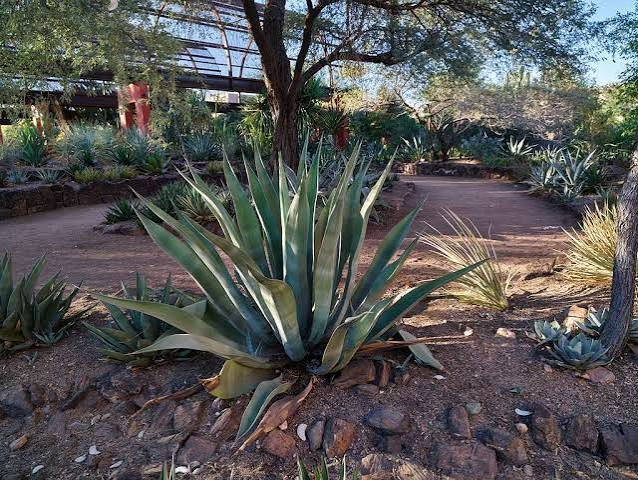
No other stop in the Phoenix area packs as much of the Sonoran Desert into a walkable space. The Garden spans 140 acres and displays more than 50,000 plants, arranged into trails organized by desert region rather than left as a single sprawling collection.
Winter is a strong season to visit. Cooler mornings make the outdoor trails comfortable for a longer walk, and many of the Garden’s flowering cacti and desert trees are easiest to appreciate without midday summer heat pushing you toward the shade.
What to know before you go:
| Detail | Information |
|---|---|
| Admission | Paid; adult pricing has recently run in the mid-$30s to around $40 during the October-May season. Confirm current pricing on the Garden’s website before visiting |
| Parking | Free in the main lot |
| Typical visit time | 2 to 3 hours; half a day if you’re adding a meal or a slower pace |
| Accessibility | Fully wheelchair accessible, with most trails described as stroller friendly |
| Pets | Non-service dogs are not permitted, except during designated Dog Days events. Service animals and miniature horses are allowed |
| Best time | Morning, especially in December and January when it opens early |
The Garden sits inside Papago Park, which means you can pair it with a free stop at Hole-in-the-Rock without moving your car.
Papago Park and Hole-in-the-Rock: The Best Free Outdoor Stop
Papago Park is the free, open desert space that Desert Botanical Garden and Phoenix Zoo both sit inside. That distinction matters. The park itself, its red sandstone buttes, and the short trail up to Hole-in-the-Rock cost nothing, even though two ticketed attractions share the same address.
Hole-in-the-Rock is a short, easy climb to a natural opening in the sandstone that frames views across the valley. It’s one of the more reliable photo stops in the city and doesn’t require technical hiking experience.
Quick facts:
- Trail hours run 5 a.m. to 11 p.m., though specific parking and entrance areas may keep separate hours
- No admission fee for the park or the Hole-in-the-Rock trail
- Suitable for most fitness levels, though the rock scramble to the opening involves some uneven footing
- Works well combined with the Desert Botanical Garden or Phoenix Zoo since all three share the park
Because it’s free and low-effort, Papago Park is one of the easiest ways to get outdoor desert scenery into a New Year trip without committing significant time or money.
Camelback Mountain: For Experienced Hikers Only
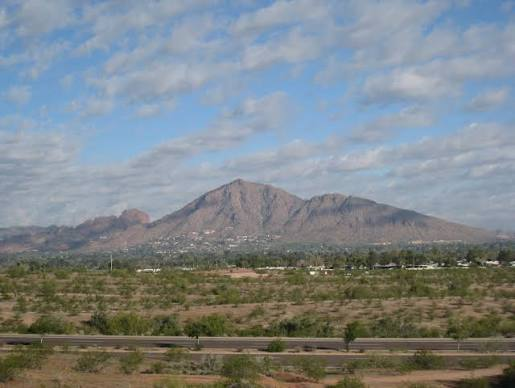
Camelback Mountain is Phoenix’s most photographed peak, and that fame sometimes leads visitors to underestimate it. Both main routes to the summit, Echo Canyon Trail and Cholla Trail, are officially classified as extremely difficult. This is not a casual tourist walk, and it shouldn’t be treated as one just because it’s popular.
Winter is actually one of the better seasons to attempt it, since summer heat on this exposed rock face is genuinely dangerous. Still, the trail demands real fitness, sturdy footwear and enough water for a strenuous multi-hour effort.
Before you go:
- Trails are open sunrise to sunset only
- Parking at both trailheads is limited and fills early on weekends and holidays
- Dogs are prohibited on all Camelback Mountain trails year-round, no exceptions
- Elevation gain and exposed scrambling sections make this unsuitable for young children, casual walkers or anyone without hiking experience
If you’re not an experienced hiker but still want the desert-summit experience, South Mountain offers an easier way to get comparable views.
South Mountain Park and Dobbins Lookout: Big Views Without the Difficulty
South Mountain Park and Preserve is enormous, with roughly 50 miles of trails spread across 16,000 acres. That scale means it offers something Camelback can’t: an easy, drivable route to a genuine overlook.
Dobbins Lookout sits along the 5.5-mile Summit Road, so visitors who want a panoramic view of the Phoenix valley without hiking can simply drive up. Hikers who want more of a workout have a wide range of trail options within the same preserve, at varying difficulty levels.
This makes South Mountain the more flexible pick for a group with mixed fitness levels or for anyone who wants the payoff view without the Camelback-level commitment.
Good to know:
- Free to enter
- Best visited in daylight, since the drive and viewpoints are the main draw
- A better fit than Camelback for families, older travelers or anyone short on time
- Combine with a scenic drive rather than treating it purely as a hiking destination
Phoenix Museums and Indoor Places Worth Adding to a New Year Trip
Outdoor attractions define Phoenix’s winter appeal, but the city’s museums add cultural depth and give you a plan B if the weather doesn’t cooperate.
Heard Museum: The Strongest Cultural Stop
The Heard Museum focuses on American Indian art, history and living culture through its permanent galleries and rotating exhibitions. For visitors who want their Phoenix trip to include more than desert landscapes, this is the museum that adds that dimension.
The museum welcomes visitors of all ages and provides complimentary wheelchairs on a first-come basis along with ADA parking. Service animals are welcomed; pets and non-service comfort animals are not.
Plan around this:
- Open Tuesday through Sunday, 10 a.m. to 4 p.m.
- Closed on Christmas Day and a small number of other holidays; confirm the exact New Year period schedule before visiting
- Typical visit runs 2 to 3 hours for a full walkthrough
- Located in Central Phoenix, making it easy to pair with Phoenix Art Museum or a stop in the Roosevelt Row arts district
Musical Instrument Museum: The Best Indoor Choice for Families
Musical Instrument Museum, generally known as MIM, is a strong pick specifically because it’s fully indoors and works regardless of weather. It houses thousands of instruments from around the world, organized by geography, with audio and video that plays automatically as you move through each gallery using an included wireless headset.
Families tend to do well here because the format is interactive rather than a quiet, look-but-don’t-touch museum experience. Most visitors spend 2 to 4 hours inside, and some music enthusiasts stay longer.
Details to check before visiting:
- Open daily, 9 a.m. to 5 p.m.
- Adult admission runs around $20, with reduced pricing for teens and children
- Parking is free and located on-site
- North Phoenix location, a drive from downtown rather than a walkable add-on to a Central Phoenix day
- During busier months, advance online tickets are worth booking to skip the line
Phoenix Art Museum: Best for an Art-Focused Downtown Visit
Phoenix Art Museum anchors the city’s Central Avenue arts corridor and holds the largest visual art collection in the Southwest. It pairs naturally with a Heard Museum visit or a walk through nearby Roosevelt Row.
The detail that matters most for New Year travelers: Phoenix Art Museum is typically closed on New Year’s Day, along with Christmas. If you’re building a January 1 itinerary, this museum should not be on it without checking the current holiday calendar first.
Plan around this:
- Closed Mondays and Tuesdays as a standard weekly schedule, in addition to holiday closures
- General admission has recently run around $23 for adults, with reduced pricing for youth and free admission for young children
- Pay-What-You-Wish hours are typically offered one evening per week
- A 2 to 3 hour visit is typical
Quieter Phoenix Places for a Slower New Year Trip
Not every travel day needs to be a hike or a full museum circuit. Downtown Phoenix has a genuinely quiet option that works well as a lower-key stop between busier plans.
Japanese Friendship Garden: A Peaceful Downtown Reset
Also known as Ro Ho En, this 3.5-acre stroll garden was built through Phoenix’s sister-city relationship with Himeji, Japan. It’s a deliberately slow experience: koi ponds, a waterfall, stone footbridges and winding paths designed to reveal the garden gradually rather than all at once.
Because it’s compact, a visit here fits naturally into a downtown day without eating up hours the way a full-day attraction would.
What to expect:
- Adult admission has recently run around $14, with lower pricing for seniors, students, military and youth ages 7 to 17, and free entry for children 6 and under
- Free on-site parking, and it’s also reachable from the Valley Metro light rail
- Paths, restrooms and facilities are described as wheelchair accessible
- Pets are not permitted, though service dogs are allowed
- Open Tuesday through Sunday; specific seasonal hours should be confirmed before your visit since they shift through the year
- A comfortable visit runs 45 minutes to an hour
Phoenix-Adjacent Places Worth the Short Drive
Phoenix and Scottsdale share a metro area but are separate cities. Two of the strongest additions to a New Year trip actually sit in Scottsdale rather than Phoenix proper, so it’s worth knowing what you’re driving to before you commit a half-day.
Taliesin West: The Region’s Architecture Experience
Taliesin West was Frank Lloyd Wright’s winter home, studio and training school, built into the base of the McDowell Mountains using stone and materials sourced from the surrounding desert. It’s a UNESCO World Heritage Site and the only way to see it is with a ticket. There’s no casual walk-in visiting here.
The standard Self-Guided Audio Tour runs 60 to 75 minutes and moves through the Historic Core at your own pace using a smartphone app and headphones.
Before booking:
- Regular-season adult pricing has recently run around $44, with reduced youth pricing
- Advance reservations are strongly recommended; tickets can sell out
- Tour paths include gravel and concrete with shallow steps and some uneven surfaces, so accessibility is experience-specific rather than a flat, uniform walkway
- Only service animals are permitted; personal pets are not
- Located in Scottsdale, roughly a 30-minute drive from downtown Phoenix depending on traffic
Old Town Scottsdale: Walking, Galleries and Public Art
Old Town Scottsdale is a walkable historic district built around galleries, shops and public art rather than nightlife. Highlights include Soleri Bridge and Plaza, the Scottsdale Museum of Contemporary Art, the Western Spirit museum and the Fifth Avenue shopping strip.
Because most of the district is free to walk and browse, it’s an efficient add-on to a Taliesin West visit rather than a separate half-day commitment. The two combine into a natural Scottsdale-focused day, since backtracking to central Phoenix and out again would waste time better spent exploring.
Phoenix Zoo: The Strongest Choice for Families
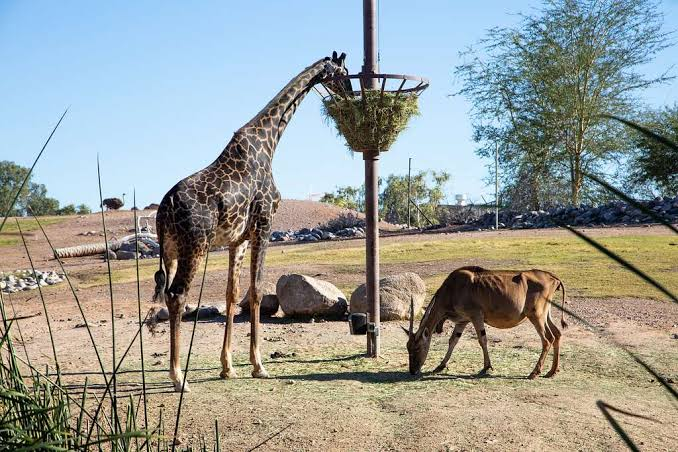
Phoenix Zoo sits inside Papago Park and is consistently the best fit for family trips with children, thanks to its scale and the amount of time kids can spend engaged with the exhibits.
Plan around this:
- Adult admission (ages 14+) has recently run around $39.95, with reduced pricing for children ages 3 to 13
- Children under 14 must be accompanied by someone 14 or older
- Open every day of the year except Christmas Day
- Typical visit runs 3 to 5 hours
- Personal pets are not permitted; trained, vaccinated service animals are allowed
- The Zoo offers wheelchair and stroller rentals along with sensory-support resources for visitors who need them
Because the Zoo and Papago Park share the same grounds, a family day here can extend into a free walk to Hole-in-the-Rock afterward without any extra driving.
December 31 vs. January 1: What Actually Changes
This is where a lot of general “best of Phoenix” content falls short. Not every attraction runs a normal schedule around the New Year holiday.
December 31 (daytime) is generally a normal operating day for most attractions on this list, including Desert Botanical Garden, Papago Park, Phoenix Zoo, the hiking areas and the major museums. Standard hours typically apply, though it’s worth checking each attraction’s own calendar in case of a special holiday-season adjustment.
January 1 requires more caution. Phoenix Art Museum is typically closed on New Year’s Day. Other attractions may run modified hours. Before building any January 1 plan, check the specific attraction’s holiday schedule rather than assuming normal hours apply.
A safe approach: treat December 31 daytime as your primary sightseeing day, and build January 1 around outdoor spaces like Papago Park, South Mountain or a hike, which are far less likely to carry holiday closures than ticketed indoor attractions.
One-Day Route Ideas
These groupings are based on geography and shared themes, not a forced structure. Always confirm opening days and any holiday adjustments before treating one of these as a fixed plan.
Desert-focused day: Papago Park → Hole-in-the-Rock → Desert Botanical Garden. These three sit close enough together that you experience the Sonoran Desert without crossing the metro area.
Downtown culture day: Heard Museum → Phoenix Art Museum → a walk through Roosevelt Row. Confirm both museums’ open days before locking this in, since Phoenix Art Museum is closed Mondays and Tuesdays.
Family day: Phoenix Zoo → Papago Park. The Zoo sits inside the park, so this pairing requires no extra driving.
Scottsdale architecture day: Taliesin West → Old Town Scottsdale. A logical grouping since both are on the Scottsdale side of the metro area.
Outdoor scenery day: South Mountain → Dobbins Lookout. A good choice for travelers who want the panoramic payoff without committing to Camelback Mountain’s difficult summit trails.

Free vs. Paid Attractions
| Free to explore | Requires admission |
|---|---|
| Papago Park (general park access) | Desert Botanical Garden |
| Hole-in-the-Rock | Phoenix Zoo |
| South Mountain Park and Preserve | Heard Museum |
| Camelback Mountain trails | Musical Instrument Museum |
| Roosevelt Row (walking the district) | Phoenix Art Museum |
| Old Town Scottsdale (walking the district) | Japanese Friendship Garden |
| Taliesin West |
One distinction worth repeating: Papago Park itself is free, but Desert Botanical Garden and Phoenix Zoo are separate, ticketed attractions that happen to sit inside it. Visiting the park doesn’t mean you’ve visited either of them.
Family, Accessibility and Pet Quick Reference
| Attraction | Good for kids | Wheelchair access | Pets allowed |
|---|---|---|---|
| Desert Botanical Garden | Yes | Fully accessible, most trails stroller friendly | Service animals only (except Dog Days) |
| Papago Park / Hole-in-the-Rock | Mostly, some uneven terrain at the rock | Varies by trail | Verify current park rules |
| Camelback Mountain | No, too strenuous | Not accessible, difficult terrain | Dogs prohibited on all trails |
| South Mountain / Dobbins Lookout | Yes, especially via the drive-up route | Varies by trail or viewpoint | Verify current park rules |
| Heard Museum | Yes | Strong, wheelchairs available on-site | Service animals only |
| Musical Instrument Museum | Yes, strongly | Verify current access details | Verify current policy |
| Phoenix Art Museum | Yes | Verify current access details | Verify current policy |
| Japanese Friendship Garden | Yes, for a calm visit | Strong, paths and restrooms accessible | Service dogs only |
| Phoenix Zoo | Yes, strongly | Strong, rentals available | Service animals only |
| Taliesin West | Yes, though tours involve walking | Gravel and uneven surfaces on tour routes | Service animals only |
Where a policy isn’t independently confirmed here, verify it directly with the attraction before your visit, since pet and accessibility rules can change.
Frequently Asked Questions
What is the best place to visit in Phoenix around New Year?
It depends on what you want from the trip. Desert Botanical Garden is the strongest choice for desert scenery, Papago Park is the best free outdoor stop, Camelback Mountain suits experienced hikers, and Phoenix Zoo is the top pick for families. There isn’t a single best answer, since the right choice depends on your interests and group.
Is Phoenix a good place to visit around New Year?
Yes, largely because of the weather. Winter days in Phoenix typically bring clear skies and highs in the 60s and 70s, which makes outdoor sightseeing far more comfortable than during Phoenix’s hot summer months. Mornings and evenings can still be cool, so layers are worth packing.
What are the best free places to visit in Phoenix around New Year?
Papago Park, Hole-in-the-Rock, South Mountain Park and Camelback Mountain’s trails don’t charge admission. Roosevelt Row and Old Town Scottsdale are also free to walk through, though individual shops, galleries or restaurants inside them may charge.
What places in Phoenix are good for families around New Year?
Phoenix Zoo is the strongest family pick given its scale and the amount of time kids stay engaged. Musical Instrument Museum, Desert Botanical Garden, Heard Museum and Papago Park also work well for families, while Camelback Mountain is not a good fit due to its difficulty.
What should I do in Phoenix on New Year’s Day?
Check individual attraction schedules before planning around January 1, since some, including Phoenix Art Museum, are typically closed. Outdoor spaces like Papago Park, South Mountain and hiking trails are generally a safer bet for that specific day, since they’re less likely to carry holiday closures than ticketed indoor attractions.
Is Camelback Mountain good for a New Year trip?
Only if you’re an experienced, fit hiker. Both main routes are officially classified as extremely difficult, dogs are prohibited on all trails, and parking is limited. Casual visitors or families are better served by South Mountain and Dobbins Lookout, which offer comparable views with far less physical demand.
What are the best indoor attractions in Phoenix during winter?
Musical Instrument Museum, Heard Museum and Phoenix Art Museum are the strongest indoor options, useful both as cultural stops and as backup plans if the weather turns. Musical Instrument Museum in particular tends to work best for families due to its interactive format.
Is Scottsdale worth visiting during a Phoenix New Year trip?
Yes, particularly if you’re interested in architecture or want a walkable gallery district. Taliesin West and Old Town Scottsdale are both technically in Scottsdale rather than Phoenix, but they sit close enough to the rest of the metro area to combine into a single day trip.
Leave a Reply
You must be logged in to post a comment.