

Here’s a complete New Years cookie recipe you can start right now: a vanilla-butter cut-out cookie sturdy enough for clock, firework, and number shapes, with a simple royal icing for decorating. Below is the full master recipe, six genuinely different variations, a decorating guide, and a make-ahead timeline, so you can go from empty counter to a finished plate without opening another tab.
Not every household bakes cookies for New Year’s the way many do for Christmas. Some families skip a specific New Year’s cookie entirely, some make whatever cookie sounds good, and some follow older traditions, like the Mennonite custom of frying Portzelky on New Year’s Eve. This article covers several of those paths without claiming any one of them is universal.
Quick New Years Cookie Recipe Comparison Table
| Recipe | Type | Yield | Total Time | Best For |
|---|---|---|---|---|
| Master Vanilla-Butter Cut-Outs | Baked, decorated | 24 cookies | 1 hr 40 min (plus chill) | The go-to recipe for shapes and icing |
| Chocolate New Year’s Cookies | Baked, decorated | 22 cookies | 1 hr 40 min (plus chill) | Chocolate lovers, black-and-gold designs |
| Orange-Vanilla Cookies | Baked, decorated | 24 cookies | 1 hr 40 min (plus chill) | A brighter, citrus-forward option |
| Cinnamon-Spice Cookies | Baked, decorated | 22 cookies | 1 hr 40 min (plus chill) | A warmer, chewier cookie |
| Gluten-Free Cut-Outs | Baked, decorated | 20 cookies | 1 hr 55 min (plus chill) | Guests avoiding gluten |
| No-Bake Sandwich Cookies | Assembled, no oven | 12 sandwich cookies | 50 minutes | Last-minute or kid-friendly baking |
| Portzelky-Style New Year’s Cookies | Fried, yeasted | About 22 fritters | 2 hr 15 min (plus proof) | A traditional Mennonite New Year’s treat |
The Master Recipe: Vanilla-Butter New Year’s Cut-Out Cookies
This is a firm-holding, lightly sweet butter cookie built specifically to keep sharp edges through baking, which matters if you’re cutting clocks, stars, or numbers. The dough is stiffer than a drop-cookie dough on purpose; that’s what keeps a number “0” from turning into an oval in the oven.
- Yield: 24 cookies (using a 3-inch cutter)
- Prep time: 20 minutes
- Chill time: 1 hour minimum, up to 24 hours
- Bake time: 10 to 12 minutes per batch
- Total time: about 1 hour 40 minutes, not counting extended chilling
- Oven temperature: 350°F (175°C)
Ingredients
- 1 cup (2 sticks, 226g) unsalted butter, softened to cool room temperature
- 3/4 cup granulated sugar
- 1 large egg
- 1 teaspoon vanilla extract
- 1/2 teaspoon almond extract (optional)
- 2 3/4 cups all-purpose flour, spooned into the cup and leveled
- 1/2 teaspoon baking powder
- 1/4 teaspoon salt
Pan preparation: Line two baking sheets with parchment paper or silicone baking mats. No greasing needed; parchment keeps the bottoms from over-browning.
Instructions
- In a large bowl, beat the butter and sugar together with a hand or stand mixer on medium speed for 2 to 3 minutes, until pale and fluffy. This step matters more than it looks; properly creamed butter is what gives the cookie its texture, and rushing it leaves a denser, greasier dough.
- Add the egg, vanilla extract, and almond extract if using. Beat until fully combined, scraping down the bowl once.
- In a separate bowl, whisk together the flour, baking powder, and salt.
- Add the dry ingredients to the butter mixture in two additions, mixing on low speed just until the flour disappears. Stop as soon as you don’t see dry streaks; overmixing at this stage develops gluten and makes the baked cookie tough instead of tender.
- Divide the dough in half, flatten each half into a disk, wrap in plastic, and refrigerate at least 1 hour. Chilling firms the butter back up so the cutouts hold their shape instead of slumping in the oven.
- When ready to bake, preheat the oven to 350°F (175°C).
- Roll one disk at a time between two sheets of parchment paper to 1/4-inch thickness. Rolling between parchment means no extra flour gets worked into the dough, which keeps the texture consistent.
- Cut shapes with your cutters, placing them 1 inch apart on the prepared sheets. Gather scraps, re-chill for 10 minutes if they’ve softened, and re-roll once; a second re-roll starts to toughen the dough.
- Bake 10 to 12 minutes, until the edges are just set and very lightly golden. The centers will look slightly underdone; that’s correct, since they firm up as they cool.
- Cool on the baking sheet for 5 minutes, then transfer to a wire rack to cool completely before decorating, at least 30 minutes.
Visual doneness cues: Look for edges that have gone from shiny and wet-looking to matte and just barely golden. A cookie that’s golden brown across the whole surface has gone too far and will taste dry.
Decoration: See the full decorating guide below for royal icing, consistency, and design ideas. Let cookies cool completely before icing; icing on a warm cookie melts and slides.
Storage: Undecorated cookies keep in an airtight container at room temperature for 1 week. Once decorated with royal icing that has fully dried, store in a single layer or between sheets of parchment for up to 1 week at room temperature.
Freezing: Baked, undecorated cookies freeze well up to 3 months in an airtight container with parchment between layers. Thaw at room temperature before decorating. Freezing decorated cookies isn’t recommended; royal icing can sweat and become sticky as it thaws.
Make-ahead timing: Dough can be made up to 3 days ahead, wrapped tightly and refrigerated, or frozen as a disk up to 3 months and thawed overnight in the fridge before rolling.
Nutrition per cookie (undecorated, based on 24 cookies from this recipe): Calories 120, carbohydrates 15g, protein 2g, fat 6g, sugar 6g, sodium 55mg. This is an estimate based on the ingredients and yield above and doesn’t include icing or sprinkles; add roughly 25 to 35 calories and 6 to 8g sugar per cookie for a standard royal icing coating, depending on how heavily it’s applied.
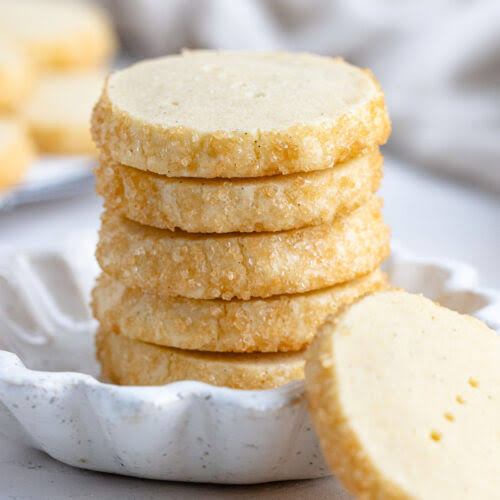
Decorating the Cookies
Basic Royal Icing
Royal icing is what gives cut-out cookies that smooth, hard-set finish. This version uses meringue powder rather than raw egg whites, since meringue powder is pasteurized and shelf-stable, while raw egg whites carry a salmonella risk that isn’t worth taking on a cookie meant to sit out at a party for hours.
Ingredients
- 2 cups powdered sugar
- 1 1/2 tablespoons meringue powder
- 3 to 4 tablespoons warm water
- Gel food coloring, as needed
Instructions
- Whisk powdered sugar and meringue powder together in a bowl.
- Add 3 tablespoons of warm water and beat with a mixer on medium speed for 3 to 4 minutes, until the icing is glossy and holds stiff peaks.
- Add more water, a half-teaspoon at a time, to reach the consistency you need (see below).
- Divide into separate bowls and tint with gel food coloring as needed. Gel coloring won’t thin the icing the way liquid food coloring does.
Icing Consistency
| Consistency | How It Looks | Used For |
|---|---|---|
| Stiff (outline) | Holds a sharp peak, like stiff toothpaste | Piping outlines, borders, fine details like clock hands or numbers |
| Medium | Ribbons that hold their shape for a few seconds before settling | Piping simple shapes like stars or dots |
| Flood (thin) | A ribbon dropped on top disappears into the surface in about 10 seconds | Filling in an outlined shape for a smooth, flat finish |
To go from stiff to flood consistency, thin stiff icing with water a few drops at a time. It’s easier to thin icing than to thicken it, so start stiff.
Beginner Techniques
- Use a small squeeze bottle or a ziplock bag with a tiny corner snipped off instead of a piping bag if you don’t have one.
- Pipe the outline first in stiff icing and let it set for 15 to 20 minutes before flooding, so the flood icing has a wall to stay inside.
- After flooding, drag a toothpick through any air bubbles to pop them before the icing sets.
- Sprinkles and sanding sugar need to go on while the icing is still wet; they won’t stick once it crusts over.
Advanced Techniques
- Wet-on-wet marbling: flood a cookie, then immediately pipe dots or lines of a second color and drag a toothpick through them before either layer sets.
- Piping fine details like clock numbers or firework bursts works best with a very small round tip and stiff icing, piped after the base coat has dried for several hours.
- Layered designs, like a gold clock face outline over a white flood base, need the base layer fully dry, usually 6 to 8 hours, before you add more icing on top.
New Year’s Cookie Design Ideas
- Clock at midnight: Flood a round cookie white or black, then pipe a simple clock face with the hands pointing to 12, using a contrasting color.
- Fireworks and stars: Pipe small star shapes or radiating lines from a central dot in gold, silver, or a bright color against a dark flood base.
- Black, white, and gold: Flood cookies black or white, then pipe details in gold luster dust mixed with a small amount of clear alcohol or lemon extract for a painted metallic look.
- Silver and white: A softer, more formal palette; flood white and pipe silver dragées or silver-tinted icing details.
- Current-year numbers: Cut cookies into digit shapes, or pipe the year directly onto round or square cookies in a bold color.
- Kid-friendly designs: Skip piping altogether. Flood a cookie one color and let kids add sprinkles, nonpareils, or sanding sugar while it’s still wet.

Supporting Recipes and Variations
Chocolate New Year’s Cookies
A cocoa version of the same cut-out method, dark enough to look striking under gold or white piping.
- Yield: 22 cookies
- Prep time: 20 minutes
- Chill time: 1 hour minimum
- Bake time: 10 to 11 minutes
- Total time: about 1 hour 40 minutes, not counting extended chilling
- Oven temperature: 350°F (175°C)
Ingredients
- 1 cup (2 sticks) unsalted butter, softened
- 3/4 cup granulated sugar
- 1 large egg
- 1 teaspoon vanilla extract
- 2 1/4 cups all-purpose flour, spooned and leveled
- 1/2 cup unsweetened cocoa powder
- 1/2 teaspoon baking powder
- 1/4 teaspoon salt
Instructions
- Cream butter and sugar 2 to 3 minutes until fluffy. Beat in egg and vanilla.
- Whisk flour, cocoa powder, baking powder, and salt together, then mix into the wet ingredients just until combined.
- Divide, flatten, wrap, and chill at least 1 hour.
- Preheat oven to 350°F (175°C). Roll to 1/4-inch thickness between parchment and cut shapes.
- Bake 10 to 11 minutes. Because the dough is already dark, don’t judge doneness by color; the cookie is done when the edges feel firm and set to a light touch rather than soft.
- Cool 5 minutes on the sheet, then move to a wire rack.
Substitutions: Dutch-process cocoa gives a smoother, less acidic flavor than natural cocoa powder if you have a choice.
Storage and freezing: Same as the master recipe: 1 week at room temperature undecorated, 3 months frozen.
Nutrition per cookie (undecorated): Calories 130, carbohydrates 15g, protein 2g, fat 7g, sugar 6g, sodium 55mg. Estimate only; excludes icing.
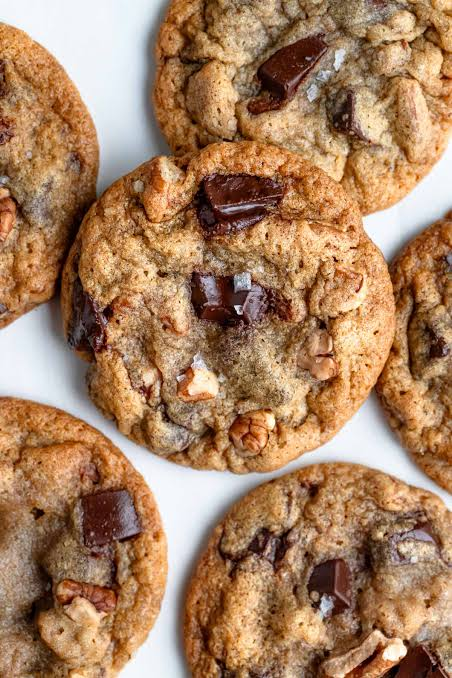
Orange-Vanilla Cookies
A brighter, citrus-forward take that pairs well with a New Year’s Day brunch table rather than a midnight dessert spread.
- Yield: 24 cookies
- Prep time: 20 minutes
- Chill time: 1 hour minimum
- Bake time: 10 to 12 minutes
- Total time: about 1 hour 40 minutes, not counting extended chilling
- Oven temperature: 350°F (175°C)
Ingredients
- 1 cup (2 sticks) unsalted butter, softened
- 3/4 cup granulated sugar
- 1 large egg
- 1 teaspoon vanilla extract
- Zest of 1 large orange
- 2 3/4 cups all-purpose flour, spooned and leveled
- 1/2 teaspoon baking powder
- 1/4 teaspoon salt
Instructions
- Cream butter and sugar until fluffy, about 2 to 3 minutes. Beat in egg, vanilla, and orange zest.
- Whisk flour, baking powder, and salt together, then mix in just until combined.
- Divide, flatten, wrap, and chill at least 1 hour.
- Preheat oven to 350°F (175°C). Roll to 1/4-inch thickness and cut shapes.
- Bake 10 to 12 minutes, until edges are just set and lightly golden.
- Cool 5 minutes on the sheet, then transfer to a wire rack.
Substitutions: Lemon or tangerine zest can replace orange for a different citrus note. A teaspoon of orange juice can be added if the dough feels dry after mixing, though it usually isn’t needed.
Storage and freezing: Same as the master recipe.
Nutrition per cookie (undecorated): Calories 118, carbohydrates 15g, protein 2g, fat 6g, sugar 6g, sodium 55mg. Estimate only; excludes icing.
Cinnamon-Spice Cookies
A warmer, slightly chewier cookie from swapping in some brown sugar and adding baking spices, closer to a spiced shortbread than the crisp master recipe.
- Yield: 22 cookies
- Prep time: 20 minutes
- Chill time: 1 hour minimum
- Bake time: 10 to 12 minutes
- Total time: about 1 hour 40 minutes, not counting extended chilling
- Oven temperature: 350°F (175°C)
Ingredients
- 1 cup (2 sticks) unsalted butter, softened
- 1/2 cup granulated sugar
- 1/4 cup packed brown sugar
- 1 large egg
- 1 teaspoon vanilla extract
- 2 3/4 cups all-purpose flour, spooned and leveled
- 1 1/2 teaspoons ground cinnamon
- 1/4 teaspoon ground nutmeg
- 1/4 teaspoon ground ginger
- 1/2 teaspoon baking powder
- 1/4 teaspoon salt
Instructions
- Cream butter, granulated sugar, and brown sugar together 2 to 3 minutes until fluffy. Beat in egg and vanilla.
- Whisk flour, cinnamon, nutmeg, ginger, baking powder, and salt together, then mix into the wet ingredients just until combined.
- Divide, flatten, wrap, and chill at least 1 hour.
- Preheat oven to 350°F (175°C). Roll to 1/4-inch thickness and cut shapes.
- Bake 10 to 12 minutes, until edges are set and just golden. The brown sugar makes this dough color slightly darker even when underbaked, so rely on the edges firming up rather than color alone.
- Cool 5 minutes on the sheet, then transfer to a wire rack.
Substitutions: A store-bought apple pie spice or pumpkin pie spice blend can replace the individual spices in equal total amount.
Storage and freezing: Same as the master recipe. The brown sugar content means these stay very slightly softer in storage than the master recipe.
Nutrition per cookie (undecorated): Calories 122, carbohydrates 16g, protein 2g, fat 6g, sugar 7g, sodium 55mg. Estimate only; excludes icing.
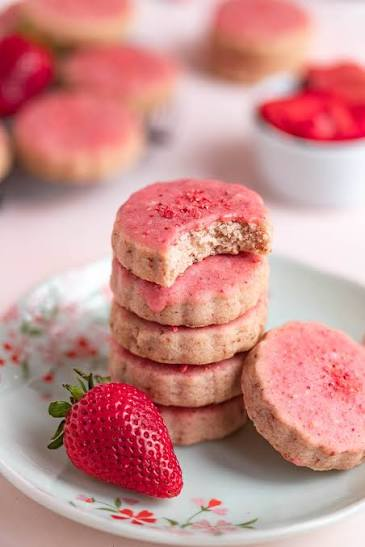
Gluten-Free Cut-Outs
The same technique adapted for a 1:1 gluten-free flour blend, with a couple of adjustments since gluten-free dough behaves differently than wheat dough.
- Yield: 20 cookies
- Prep time: 20 minutes
- Chill time: 1 hour 30 minutes minimum
- Bake time: 11 to 13 minutes
- Total time: about 1 hour 55 minutes, not counting extended chilling
- Oven temperature: 350°F (175°C)
Ingredients
- 1 cup (2 sticks) unsalted butter, softened
- 3/4 cup granulated sugar
- 1 large egg
- 1 teaspoon vanilla extract
- 2 3/4 cups 1:1 gluten-free flour blend (one that already includes xanthan gum)
- 1/2 teaspoon baking powder
- 1/4 teaspoon salt
Instructions
- Cream butter and sugar 2 to 3 minutes until fluffy. Beat in egg and vanilla.
- Whisk the gluten-free flour blend, baking powder, and salt together, then mix in just until combined. The dough will look slightly more crumbly than a wheat-flour dough; that’s normal.
- Divide, flatten, wrap, and chill at least 1 hour 30 minutes. Gluten-free dough benefits from the longer chill since it firms up more slowly than wheat dough.
- Preheat oven to 350°F (175°C). Roll between parchment to 1/4-inch thickness; gluten-free dough tears more easily, so patch any cracks with your fingers rather than re-rolling from scratch.
- Cut shapes carefully, since gluten-free dough is more delicate to transfer. Use a thin spatula to lift shapes onto the baking sheet.
- Bake 11 to 13 minutes, until edges are set and just golden.
- Cool 10 minutes on the sheet before moving, longer than the master recipe, since gluten-free cookies are more fragile while warm.
Substitutions: If your gluten-free blend doesn’t include xanthan gum, add 1/2 teaspoon separately. Almond flour blends can work but will spread more; a wheat-flour-style 1:1 blend holds shapes better for cut-outs.
Storage and freezing: Same timing as the master recipe, though gluten-free cookies dry out slightly faster; keep the container as airtight as possible.
Nutrition per cookie (undecorated): Calories 115, carbohydrates 14g, protein 1g, fat 6g, sugar 6g, sodium 60mg. Estimate only and will vary depending on the specific gluten-free flour blend used; excludes icing.
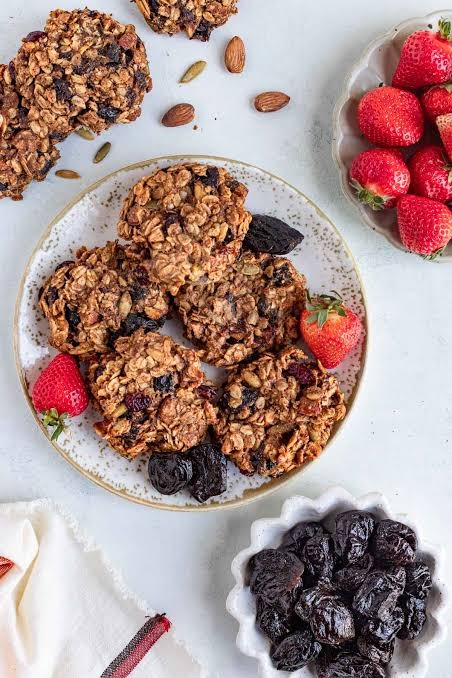
Quick No-Bake Decorated Sandwich Cookies
For when there’s no time or oven access. This uses store-bought cookies as a base and focuses the effort on quick, festive decorating instead of baking from scratch.
- Yield: 12 sandwich cookies
- Prep time: 20 minutes
- Chill time (to set): 30 minutes
- Bake time: none
- Total time: 50 minutes
Ingredients
- 24 round store-bought shortbread or vanilla wafer cookies
- 1/2 cup vanilla or white chocolate candy melts
- 1/3 cup store-bought or homemade vanilla buttercream (optional, for filling)
- Sprinkles, sanding sugar, or nonpareils, for decorating
Instructions
- If using buttercream filling, spread a thin layer on the flat side of half the cookies and sandwich with the remaining cookies.
- Melt the candy melts in a microwave-safe bowl in 20-second bursts, stirring between each, until smooth.
- Dip the top third of each sandwich cookie into the melted candy melts, letting excess drip off.
- Immediately add sprinkles or sanding sugar while the coating is still wet.
- Place on parchment paper and let set at room temperature or in the fridge, about 30 minutes, until the coating hardens.
Substitutions: Any plain round cookie works as the base. Melted white chocolate chips can replace candy melts, though they can seize more easily if overheated; melt in short bursts and stir often.
Storage: Keep in an airtight container at room temperature up to 5 days. If filled with buttercream, refrigerate and bring to room temperature before serving for the best texture.
Freezing: Not recommended once assembled and dipped; the coating can crack and the filling texture changes after thawing. The unfilled base cookies can be frozen on their own if bought in bulk ahead of time.
Nutrition per sandwich cookie: Calories 145, carbohydrates 18g, protein 1g, fat 7g, sugar 11g, sodium 70mg. Estimate based on standard store-bought shortbread cookies, candy melts, and buttercream filling; will vary by brand.
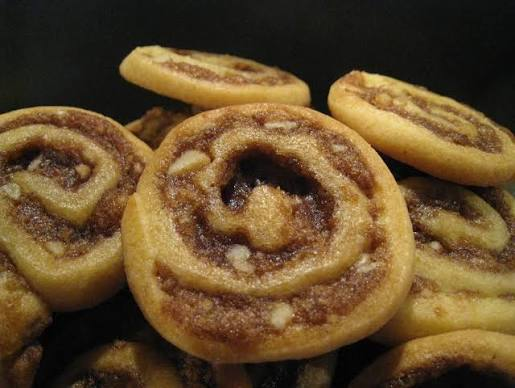
Portzelky-Style New Year’s Cookies
Portzelky are a traditional Mennonite New Year’s treat: yeast-raised, raisin-studded dough fried until golden and dusted with powdered sugar, historically associated with Mennonite communities’ New Year’s Eve and New Year’s Day celebrations. This is not the universal New Year’s cookie and isn’t claimed as one; it’s a specific regional and cultural tradition. The recipe below is an original, from-scratch version developed using standard fried-dough technique, not a copy of any specific family or published formula, and it’s offered as a home-style adaptation rather than a claim to represent every version of Portzelky made in Mennonite kitchens.
- Yield: about 22 fritters
- Prep time: 20 minutes
- Proof time: 1 to 1 1/2 hours
- Fry time: 2 to 3 minutes per side, in batches
- Total time: about 2 hours 15 minutes
Ingredients
- 3 cups all-purpose flour
- 2 1/4 teaspoons (1 packet) active dry yeast
- 1 cup warm milk (about 110°F)
- 1/4 cup granulated sugar
- 2 large eggs
- 3 tablespoons unsalted butter, melted
- 1/2 teaspoon salt
- 3/4 cup raisins
- Neutral oil, for frying (about 3 inches deep in the pot)
- Powdered sugar, for dusting
Instructions
- In a large bowl, stir the yeast into the warm milk with a pinch of the sugar. Let sit 5 to 10 minutes, until foamy; if it doesn’t foam, the yeast may be inactive and you’ll need fresh yeast before continuing.
- Add the remaining sugar, eggs, melted butter, and salt to the yeast mixture and whisk to combine.
- Add the flour gradually, stirring until a soft, sticky dough forms. Fold in the raisins.
- Cover the bowl and let the dough proof in a warm spot for 1 to 1 1/2 hours, until roughly doubled in size.
- Heat 3 inches of oil in a heavy pot to 350°F, using a thermometer to check the temperature. Oil that’s too cool makes greasy fritters; oil that’s too hot burns the outside before the inside cooks.
- Drop tablespoon-sized portions of dough carefully into the hot oil, a few at a time so the pot isn’t crowded. Fry 2 to 3 minutes per side, until deep golden brown.
- Remove with a slotted spoon to a paper-towel-lined plate to drain.
- Dust generously with powdered sugar while still warm.
Substitutions: Dried cranberries or currants can replace raisins. A stand mixer with a dough hook can replace hand-stirring for a smoother dough.
Storage: Best eaten the day they’re fried, within a few hours, while the outside is still a little crisp. They can be kept in an airtight container at room temperature overnight, though the texture softens.
Freezing: Fried fritters can be frozen up to 1 month; reheat in a 350°F oven for 8 to 10 minutes to re-crisp rather than microwaving, which makes them soggy.
Food safety note: Never leave a pot of hot frying oil unattended, keep it away from children and pets, and have a lid nearby to smother any flare-up rather than using water on a grease fire.
Nutrition per fritter: Calories 110, carbohydrates 16g, protein 3g, fat 4g, sugar 6g, sodium 60mg. This is an estimate that accounts for oil absorption during frying and will vary based on oil temperature and frying time.
Make-Ahead Timeline
| When | What To Do |
|---|---|
| Up to 3 days before | Make the dough for any baked recipe, wrap tightly, and refrigerate. Or freeze dough disks up to 3 months. |
| 2 days before | Roll, cut, and bake the cookies. Cool completely and store in an airtight container. |
| 1 day before | Make royal icing and decorate. Let icing dry fully, 6 to 8 hours or overnight, before stacking. |
| Day of | Arrange on a serving plate. If making the no-bake sandwich cookies, this is also a good day to assemble them fresh. |
Storage and Freezing at a Glance
| Room Temperature | Freezer | |
|---|---|---|
| Raw dough (wrapped) | 3 days refrigerated | 3 months |
| Baked, undecorated cookies | 1 week, airtight | 3 months, parchment between layers |
| Decorated cookies (royal icing, fully dry) | 1 week, airtight | Not recommended; icing can sweat on thawing |
| No-bake sandwich cookies | 5 days, airtight | Not recommended once assembled |
| Portzelky fritters | Best same day; overnight at most | 1 month; reheat in the oven to re-crisp |
Troubleshooting
| Problem | Likely Cause | Fix |
|---|---|---|
| Cookies spread and lost their shape | Butter was too warm, or dough wasn’t chilled long enough | Chill dough at least 1 hour; re-chill cut shapes for 10 minutes if the kitchen is warm |
| Cookies came out tough or dense | Flour was overmixed after adding it to the wet ingredients | Mix only until the flour disappears; stop as soon as no dry streaks remain |
| Edges browned but centers still look raw | Oven temperature is uneven, or cookies were rolled unevenly | Use an oven thermometer to check actual temperature; roll dough to a consistent 1/4-inch thickness |
| Royal icing won’t harden | Too much water in the icing, or high humidity in the kitchen | Reduce water slightly next batch; give it more time, and avoid decorating on a humid day if possible |
| Icing cracked after drying | Icing dried too fast under direct sun or a fan, or was applied too thick | Dry cookies away from direct sunlight or drafts; apply thinner layers |
| Gluten-free dough crumbled when rolling | Not enough chill time, or the flour blend lacks a binder | Chill at least 1 hour 30 minutes; confirm your blend includes xanthan gum, or add 1/2 teaspoon separately |
| Portzelky came out greasy inside | Oil temperature too low | Use a thermometer and keep oil at 350°F; let it come back up to temperature between batches |
New Year’s Cookie Traditions
Not every family or culture marks New Year’s with a specific cookie. In the United States, a New Year’s cookie is often just whatever festive cut-out or holiday cookie a household already makes, decorated for the new year instead of a general winter theme. Portzelky is a more specific case: it’s a traditional Mennonite New Year’s treat, particularly associated with Mennonite communities of Russian and Prussian heritage, and it isn’t something practiced universally even within broader New Year’s baking traditions.
It’s also worth being clear that January 1 and New Year’s Eve traditions are separate from Lunar New Year, sometimes called Chinese New Year, which falls on a different date each year based on the lunar calendar and has its own distinct baked goods and treats, not covered in this article.

FAQs
Can I make the cookie dough several days before I bake it?
Yes. Dough for any of the baked recipes in this article can be made up to 3 days ahead, wrapped tightly in plastic, and refrigerated. If you want more lead time, freeze the dough as a flattened disk for up to 3 months and thaw it overnight in the refrigerator before rolling.
How do I stop royal icing from cracking after it dries?
Cracking usually comes from drying too fast or applying the icing too thick. Keep decorated cookies away from direct sunlight, heater vents, or a fan while they dry, and build up detailed designs in thin layers rather than one heavy coat. A full 6 to 8 hours of undisturbed drying time also helps the icing set evenly all the way through instead of forming a hard shell over a soft center.
Is it safe to use raw egg whites for royal icing instead of meringue powder?
Raw egg whites carry a small but real salmonella risk, and that risk matters more for icing meant to sit out at room temperature for hours during a party. Meringue powder is pasteurized and shelf-stable, which is why this article’s recipe uses it instead. If you’d rather use egg whites, look for pasteurized egg whites sold specifically for this purpose rather than raw eggs straight from the carton.
What’s the difference between Portzelky and a regular New Year’s cookie?
A regular New Year’s cookie in this article’s sense is typically a baked, decorated cut-out cookie, similar to a Christmas cookie but themed for the new year. Portzelky is a specific traditional food: a yeast-raised, raisin-studded dough that’s fried rather than baked, tied to Mennonite New Year’s custom rather than being a general-purpose festive cookie. They’re prepared completely differently and come from different traditions.
Can I freeze cookies after they’re decorated with royal icing?
It’s not recommended. Royal icing can sweat, turn sticky, or lose its smooth finish as it thaws, even if it looked fine going into the freezer. For the best results, freeze cookies undecorated, thaw them fully, and then ice them closer to when you plan to serve them.
Why did my cookies lose their shape in the oven?
The most common cause is dough that wasn’t cold enough when it went into the oven, either because the chill time was too short or because the kitchen was warm enough that the cut shapes softened while you worked. Chilling the dough for the full hour, and re-chilling cut shapes for 10 minutes on a hot day, keeps the butter firm enough to hold its shape through baking instead of spreading.
Are these the same as Lunar New Year cookies?
No. This article covers cookies for New Year’s Eve, December 31, and New Year’s Day, January 1, observed on the Gregorian calendar. Lunar New Year, also called Chinese New Year, follows a separate lunar calendar and typically falls between late January and mid-February, with its own distinct baked goods and treats that aren’t part of this recipe collection.
Can I make these cookies gluten-free without using a completely different recipe?
Yes, and the gluten-free cut-out recipe in this article uses the same technique as the master recipe, just with a 1:1 gluten-free flour blend and a slightly longer chill time. You don’t need a different method, only a different flour and a bit more patience while rolling and transferring the dough, since gluten-free dough is more delicate to work with.
Leave a Reply
You must be logged in to post a comment.