
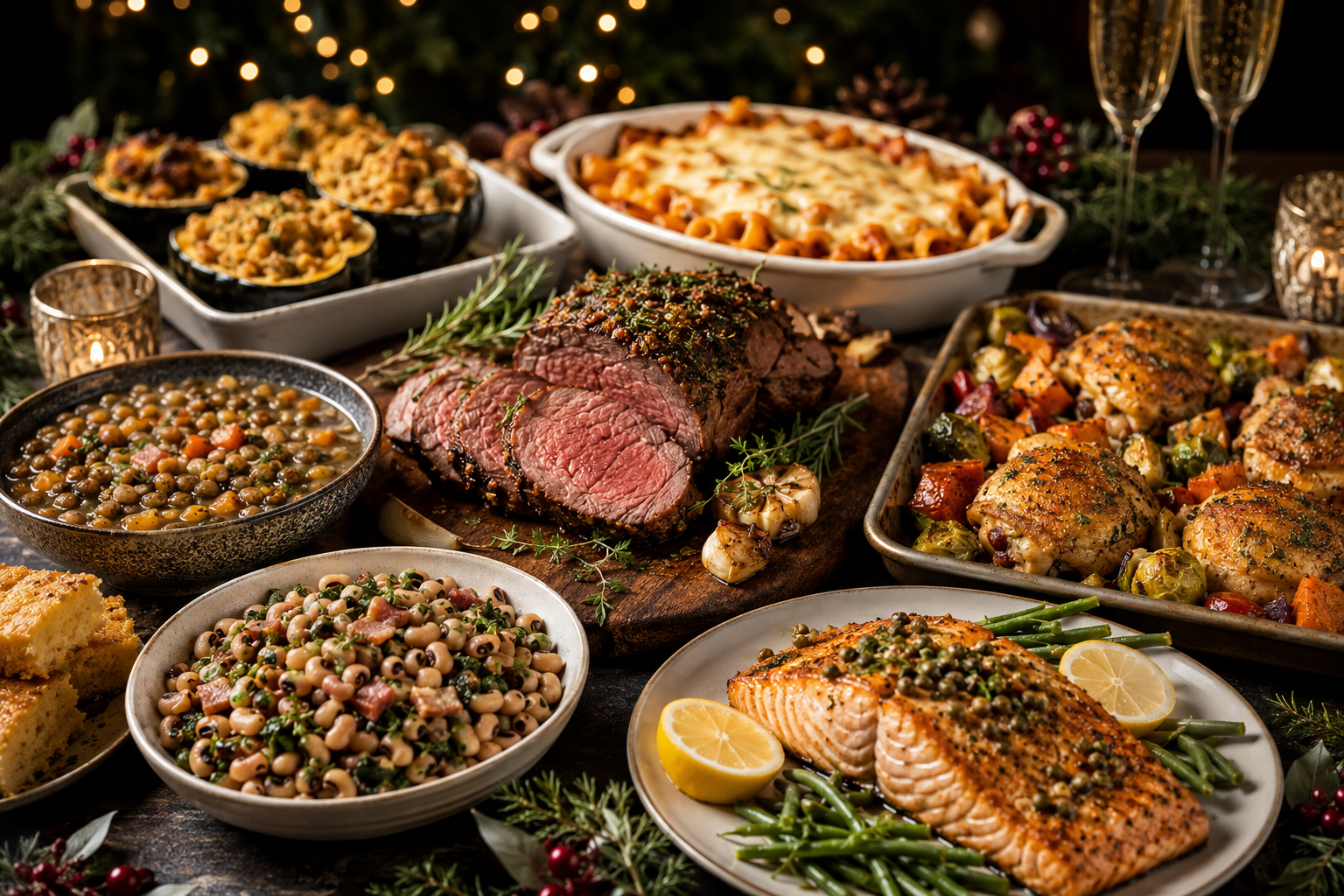
This guide has eight complete New Year’s dinner recipes covering an elegant beef main, a seafood option, an easy chicken dish, a Southern pork and black-eyed pea dish for New Year’s Day luck, a baked pasta, a vegetarian centerpiece, a budget-friendly stew, and a make-ahead casserole, plus five ready-made menus built from those recipes for a romantic dinner, a family meal, a dinner party, a lucky New Year’s Day spread, and a budget night. Every recipe includes exact quantities, timing, nutrition, and make-ahead instructions, so you can pick one dish or build a full menu from the table below.
Find Your Menu
Match your night to a menu type, then jump to the recipes it uses.
| Menu Type | Servings | Main | Active Time | Difficulty | Budget | Make-Ahead |
| Romantic Dinner for Two | 2 | Pan-Seared Salmon | 35 min | Easy | $$ | Sauce can be made ahead |
| Family Dinner | 4 to 6 | Sheet-Pan Chicken Thighs | 20 min | Easy | $ | Veg can be chopped ahead |
| Dinner-Party Menu | 6 to 8 | Beef Tenderloin + Stuffed Squash | 50 min | Moderate | $$$ | Squash filling makes ahead |
| Lucky New Year’s Day Menu | 6 | Braised Pork with Black-Eyed Peas | 25 min active | Easy | $$ | Reheats well, tastes better next day |
| Budget-Friendly Menu | 6 | Lentil and Vegetable Stew | 20 min | Easy | $ | Full recipe makes ahead |
New Year’s Eve Dinner vs. New Year’s Day Dinner
New Year’s Eve dinner, eaten on December 31, tends to lean toward celebratory or romantic food, since it’s often built around a countdown, a party, or a date night. New Year’s Day dinner, eaten on January 1, is where most of the food traditions built around luck and symbolism show up, particularly in the American South and in several European and Latin American traditions. The recipes in this guide work for either night. The Traditional New Year’s Day Foods section below flags which dishes carry specific regional symbolism so you can decide whether that context matters for your table.
Note: None of the foods below are guaranteed to bring luck. These are cultural traditions tied to specific regions, not proven outcomes, and not every family or culture observes the same customs.
Traditional New Year’s Day Lucky Foods, Briefly
A few of the recipes in this guide connect to specific New Year’s Day food traditions. Here’s the accurate context for each.
- Black-eyed peas and greens: associated with New Year’s Day luck in the Southern United States, where black-eyed peas are traditionally believed to resemble coins and greens are linked to paper money. This guide’s Braised Pork with Black-Eyed Peas and Greens recipe draws on this tradition.
- Pork: associated with New Year luck in German, Central European, and some Southern U.S. traditions, tied to the idea of pigs rooting forward rather than backward.
- Lentils: associated with New Year luck in Italian tradition, where their small, coin-like shape is linked to financial luck. This guide’s Lentil and Vegetable Stew nods to that tradition without claiming to be an authentic Italian dish.
- Cornbread: a common Southern U.S. pairing with black-eyed peas, linked to gold rather than coins.
The 8 Recipes
Each recipe stands on its own. All temperatures follow USDA food-safety guidance for minimum safe internal temperatures.
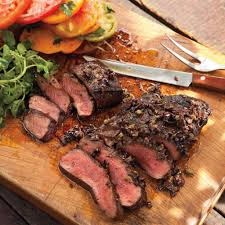
1. Herb and Garlic Crusted Beef Tenderloin
A center-cut beef tenderloin roast with a mustard and herb crust, roasted hot and fast. This is the elegant, special-occasion main in this guide, built for a smaller crowd where each person gets a substantial, tender slice.
| PREP | COOK | TOTAL | SERVINGS |
| 20 min | 35 min | 1 hr* | 6 |
*Includes 15 minutes of resting time after roasting.
Ingredients:
- 1 center-cut beef tenderloin roast, about 2.5 lbs, trimmed
- 2 tablespoons Dijon mustard
- 3 cloves garlic, minced
- 2 tablespoons fresh rosemary, finely chopped
- 2 tablespoons fresh thyme leaves
- 3 tablespoons olive oil, divided
- 1 1/2 teaspoons kosher salt
- 1 teaspoon black pepper
Instructions:
- Remove the tenderloin from the refrigerator 45 minutes before cooking so it comes closer to room temperature, which helps it cook evenly.
- Preheat the oven to 450°F (230°C). Pat the roast dry with paper towels, then season all over with salt and pepper.
- Mix the mustard, garlic, rosemary, thyme, and 2 tablespoons of the olive oil into a paste. Rub it evenly over the roast.
- Heat the remaining tablespoon of oil in a large oven-safe skillet over high heat. Sear the roast on all sides, about 2 minutes per side, until browned.
- Transfer the skillet directly to the oven and roast for 25 to 35 minutes, until a meat thermometer inserted in the thickest part reads 135°F (57°C) for medium-rare.
- Remove from the oven, tent loosely with foil, and rest for 15 minutes before slicing. The temperature will climb a few more degrees as it rests.
Doneness and food safety: USDA guidance lists 145°F (63°C) with a 3-minute rest as the minimum safe internal temperature for whole cuts of beef. Many cooks pull tenderloin closer to 130 to 135°F for a pink, medium-rare center, which is a personal doneness preference below the USDA recommendation; if food safety is a priority for anyone at your table, cook to at least 145°F.
Substitutions: a boneless ribeye roast can replace the tenderloin, though it will need a longer roasting time given its larger size. Dried herbs (1 tablespoon each) can replace fresh in the crust.
Storage and reheating: refrigerate leftover slices in an airtight container for up to 3 days. Reheat gently in a low oven (275°F) just until warmed through, since high heat will overcook the meat further. Best served cold or at room temperature in sandwiches the next day.
Make-ahead: the herb paste can be mixed up to 1 day ahead and refrigerated. The roast itself is best cooked fresh.
Nutrition estimate per serving: about 420 calories, 38 g protein, 2 g carbs, 29 g fat, 11 g saturated fat, 380 mg sodium.
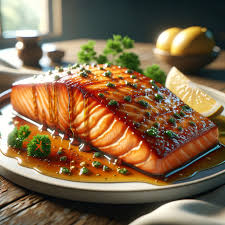
2. Pan-Seared Salmon with Lemon Butter Sauce
A quick, restaurant-style salmon dish with a crisp skin and a bright, simple pan sauce. This is the seafood option in this guide and the anchor of the romantic dinner for two menu, though it scales easily for more.
| PREP | COOK | TOTAL | SERVINGS |
| 10 min | 12 min | 22 min | 2 (scalable) |
Ingredients:
- 2 salmon fillets, about 6 oz each, skin on
- 1 teaspoon salt
- 1/2 teaspoon black pepper
- 1 tablespoon olive oil
- 3 tablespoons unsalted butter
- 2 cloves garlic, minced
- 2 tablespoons fresh lemon juice
- 1 tablespoon capers, drained
- 1 tablespoon chopped fresh parsley
Instructions:
- Pat the salmon fillets dry and season both sides with salt and pepper.
- Heat the olive oil in a skillet over medium-high heat. Place the salmon skin-side down and press gently for the first 10 seconds to prevent curling.
- Sear undisturbed for 5 to 6 minutes, until the skin is crisp and releases easily from the pan, then flip and cook 3 to 4 more minutes, until the internal temperature reaches 145°F (63°C) at the thickest part.
- Transfer the salmon to a plate. Lower the heat to medium, add the butter and garlic to the same skillet, and cook for 30 seconds until fragrant.
- Stir in the lemon juice and capers, scraping up any browned bits. Spoon the sauce over the salmon and finish with parsley.
Doneness and food safety: USDA guidance lists 145°F (63°C) as the minimum safe internal temperature for fish. The flesh should flake easily with a fork at the thickest point.
Substitutions: any firm white fish, such as halibut or cod, can replace the salmon with a similar cook time. Ghee or a neutral oil can replace the butter for a dairy-free sauce.
Storage and reheating: refrigerate for up to 2 days. Reheat gently in a covered skillet over low heat, or serve cold flaked over a salad.
Make-ahead: the sauce ingredients can be measured out ahead, but the dish is best cooked just before serving since the crisp skin doesn’t hold up to reheating.
Nutrition estimate per serving: about 380 calories, 34 g protein, 2 g carbs, 26 g fat, 9 g saturated fat, 420 mg sodium.
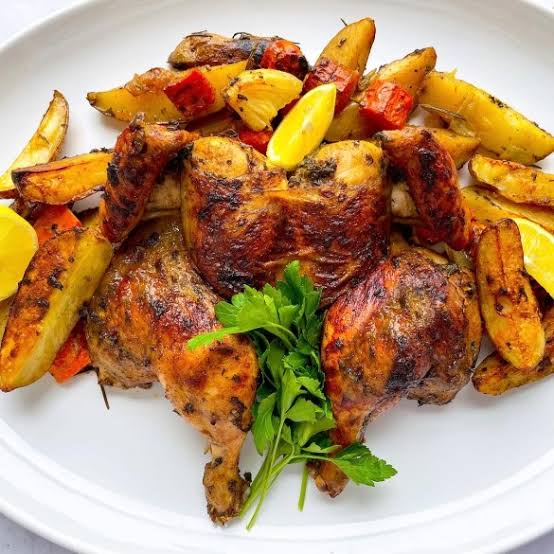
3. Sheet-Pan Rosemary Chicken Thighs with Root Vegetables
Bone-in chicken thighs roasted on one pan with carrots, potatoes, and red onion. This is the accessible, low-effort main in this guide, built for a weeknight-easy family dinner with minimal cleanup.
| PREP | COOK | TOTAL | SERVINGS |
| 15 min | 40 min | 55 min | 4 |
Ingredients:
- 8 bone-in, skin-on chicken thighs (about 3 lbs)
- 1.5 lbs baby potatoes, halved
- 4 medium carrots, cut into 2-inch pieces
- 1 red onion, cut into wedges
- 4 tablespoons olive oil, divided
- 2 tablespoons fresh rosemary, chopped (or 2 teaspoons dried)
- 3 cloves garlic, minced
- 1 1/2 teaspoons salt
- 1/2 teaspoon black pepper
Instructions:
- Preheat the oven to 425°F (220°C) and line a large sheet pan with parchment or foil.
- Toss the potatoes, carrots, and onion with 2 tablespoons of the olive oil, half the rosemary, half the garlic, and a pinch of the salt and pepper. Spread over the pan.
- Pat the chicken thighs dry and toss with the remaining oil, rosemary, garlic, salt, and pepper.
- Nestle the chicken thighs skin-side up among the vegetables.
- Roast for 35 to 40 minutes, until the chicken reaches an internal temperature of 165°F (74°C) at the thickest part and the vegetables are fork-tender. If the vegetables need more time once the chicken is done, remove the chicken and let the vegetables continue roasting for a few minutes.
Doneness and food safety: USDA guidance requires poultry to reach a minimum internal temperature of 165°F (74°C), checked at the thickest part of the thigh without touching bone.
Substitutions: boneless, skinless thighs work but will cook faster, closer to 22 to 25 minutes; check temperature earlier. Sweet potatoes or parsnips can replace the carrots.
Storage and reheating: refrigerate in an airtight container for up to 4 days. Reheat in a 375°F oven for about 15 minutes, or in the microwave in 1-minute intervals until heated through.
Make-ahead: the vegetables can be chopped up to 1 day ahead and refrigerated. The chicken can be seasoned up to 1 day ahead, covered, in the refrigerator.
Nutrition estimate per serving: about 460 calories, 32 g protein, 28 g carbs, 24 g fat, 6 g saturated fat, 480 mg sodium.
4. Braised Pork Shoulder with Black-Eyed Peas and Greens
A slow-braised pork shoulder served over black-eyed peas and collard greens, built specifically for a New Year’s Day table that wants the Southern U.S. lucky-food tradition in one hearty dish rather than three separate side dishes.
| PREP | COOK | TOTAL | SERVINGS |
| 20 min | 2.5 hrs | 3 hrs | 6 |
Ingredients:
- 2.5 lbs boneless pork shoulder, cut into large chunks
- 1 tablespoon salt, divided
- 1 teaspoon black pepper
- 2 tablespoons vegetable oil
- 1 yellow onion, diced
- 3 cloves garlic, minced
- 4 cups chicken broth
- 1 pound dried black-eyed peas, soaked overnight and drained
- 1 smoked ham hock (optional, for depth)
- 1 large bunch collard greens, stemmed and chopped
- 1 tablespoon apple cider vinegar
Instructions:
- Season the pork with 2 teaspoons of the salt and the pepper. Heat the oil in a large Dutch oven over medium-high heat and brown the pork on all sides, about 8 minutes total. Remove and set aside.
- Add the onion to the same pot and cook until softened, about 4 minutes. Add the garlic and cook 30 seconds more.
- Return the pork to the pot, add the broth, and bring to a simmer. Cover, reduce heat to low, and braise for 1.5 hours.
- Add the soaked black-eyed peas and ham hock, if using. Cover and continue braising for 1 more hour, until the pork shreds easily and the peas are tender.
- Stir in the collard greens and the remaining salt. Cover and cook for 15 to 20 minutes more, until the greens are tender. Stir in the vinegar just before serving.
Doneness and food safety: USDA guidance lists 145°F (63°C) with a 3-minute rest as the minimum safe temperature for whole cuts of pork, but for braised, shreddable pork shoulder, cooking well past that point, until the meat is fork-tender, is both safe and necessary for the texture.
Substitutions: canned black-eyed peas (three 15-oz cans, drained) can replace dried if you’re short on time; add them in the last 30 minutes instead of simmering for an hour. Kale or cabbage can replace the collard greens.
Storage and reheating: refrigerate for up to 4 days. This dish reheats and improves overnight as the flavors settle; warm gently on the stovetop over low heat, adding a splash of broth if it’s thickened too much.
Make-ahead: this dish can be fully cooked up to 2 days ahead and reheated, which makes it a practical choice for a New Year’s Day meal after a late New Year’s Eve.
Nutrition estimate per serving: about 520 calories, 36 g protein, 34 g carbs, 26 g fat, 8 g saturated fat, 650 mg sodium, 9 g fiber.
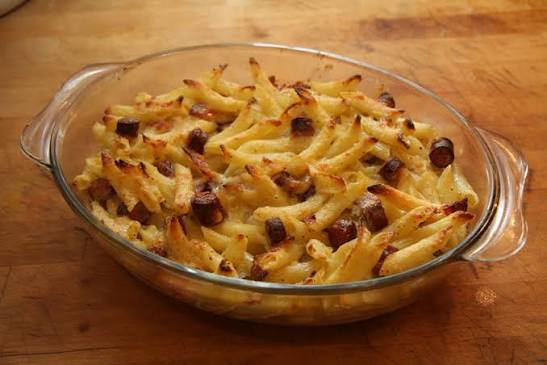
5. Baked Ziti with Italian Sausage and Spinach
A baked pasta layered with a sausage and tomato sauce, ricotta, and spinach. This is the comfort-food option in this guide, built to feed a crowd from one dish with minimal last-minute attention.
| PREP | COOK | TOTAL | SERVINGS |
| 20 min | 40 min | 1 hr | 8 |
Ingredients:
- 1 lb ziti pasta
- 1 lb Italian sausage, casings removed
- 1 yellow onion, diced
- 3 cloves garlic, minced
- 1 28-oz can crushed tomatoes
- 1 teaspoon dried oregano
- 1/2 teaspoon red pepper flakes (optional)
- 15 oz ricotta cheese
- 1 large egg
- 5 oz fresh spinach, roughly chopped
- 2 cups shredded mozzarella
- 1/2 cup grated Parmesan
- Salt and pepper to taste
Instructions:
- Preheat the oven to 375°F (190°C). Cook the ziti in salted boiling water for 2 minutes less than the package instructions, since it will finish cooking in the oven. Drain and set aside.
- In a large skillet, cook the sausage over medium heat, breaking it up, until browned, about 6 minutes. Add the onion and cook until softened, 4 minutes, then add the garlic for 30 seconds.
- Stir in the crushed tomatoes, oregano, and red pepper flakes. Simmer for 10 minutes, then season with salt and pepper.
- In a bowl, mix the ricotta, egg, and chopped spinach with a pinch of salt.
- Combine the cooked pasta with the sauce, then fold in the ricotta mixture until just streaked, not fully blended. Transfer to a 9×13 inch baking dish.
- Top with mozzarella and Parmesan. Bake uncovered for 25 to 30 minutes, until bubbling and golden on top.
Doneness and food safety: the sausage should reach an internal temperature of 160°F (71°C) while browning, which is the USDA minimum for ground pork and ground meat blends; browning it fully before adding the sauce accomplishes this.
Substitutions: ground turkey or plant-based sausage can replace the Italian sausage. Cottage cheese, blended smooth, can replace ricotta.
Storage and reheating: refrigerate for up to 4 days, or freeze the baked (or unbaked) dish tightly wrapped for up to 3 months. Reheat covered in a 350°F oven for about 25 minutes from cold, or closer to 50 minutes from frozen.
Make-ahead: assemble the full dish up to 1 day ahead, cover, and refrigerate unbaked, then bake just before serving, adding about 10 extra minutes to the bake time.
Nutrition estimate per serving: about 560 calories, 27 g protein, 52 g carbs, 27 g fat, 12 g saturated fat, 780 mg sodium.
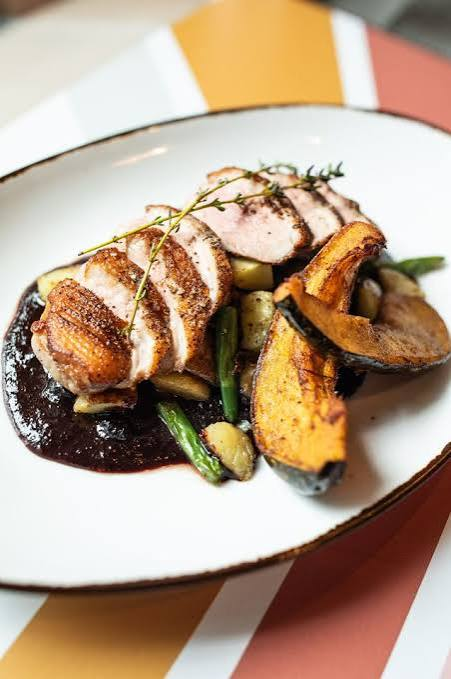
6. Stuffed Acorn Squash with Wild Rice, Cranberries, and Goat Cheese
Roasted acorn squash halves filled with a wild rice pilaf studded with dried cranberries, toasted pecans, and goat cheese. This is the vegetarian, plant-forward centerpiece in this guide, substantial enough to serve as a main rather than a side.
| PREP | COOK | TOTAL | SERVINGS |
| 20 min | 50 min | 1 hr 10 min | 4 |
Ingredients:
- 2 acorn squash, halved and seeded
- 3 tablespoons olive oil, divided
- 1 teaspoon salt, divided
- 1 cup wild rice blend, cooked according to package instructions
- 1/2 cup dried cranberries
- 1/2 cup pecans, toasted and roughly chopped
- 1/3 cup crumbled goat cheese
- 2 tablespoons chopped fresh parsley
- 1 tablespoon maple syrup
- 1/2 teaspoon black pepper
Instructions:
- Preheat the oven to 400°F (205°C). Brush the cut sides of the squash with 2 tablespoons of the olive oil and season with half the salt and the pepper.
- Place cut-side down on a lined baking sheet and roast for 30 to 35 minutes, until a fork slides in easily.
- While the squash roasts, combine the cooked wild rice, cranberries, pecans, half the goat cheese, parsley, maple syrup, remaining olive oil, and remaining salt in a bowl.
- Flip the roasted squash halves cut-side up and fill generously with the rice mixture.
- Return to the oven for 10 minutes to warm through, then top with the remaining goat cheese before serving.
Doneness: the squash is done when a fork pierces the flesh with no resistance. There’s no meat or eggs in this dish, so doneness is about texture rather than food safety.
Substitutions: quinoa or farro can replace the wild rice blend. Dried cherries or golden raisins can replace the cranberries, and walnuts can replace the pecans. Omit the goat cheese and use a plant-based alternative for a vegan version.
Storage and reheating: refrigerate assembled, cooled squash halves for up to 4 days. Reheat in a 350°F oven, covered with foil, for about 15 minutes.
Make-ahead: the rice filling can be made up to 2 days ahead and refrigerated separately from the roasted squash. Assemble and reheat together just before serving.
Nutrition estimate per serving (half squash): about 340 calories, 9 g protein, 46 g carbs, 14 g fat, 5 g saturated fat, 310 mg sodium, 7 g fiber.
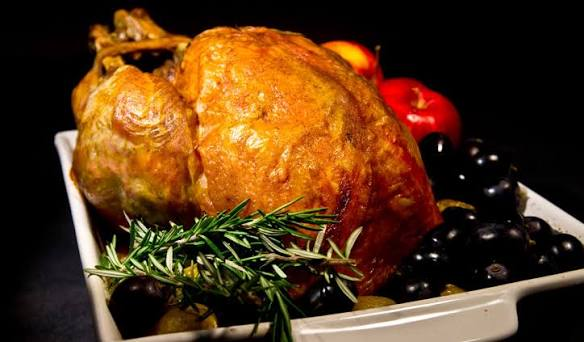
7. One-Pot Lentil and Vegetable Stew
A hearty, inexpensive lentil stew built from pantry staples, loosely inspired by the Italian tradition of eating lentils for New Year luck without claiming to be an authentic regional dish. This is the budget-friendly option in this guide.
| PREP | COOK | TOTAL | SERVINGS |
| 15 min | 35 min | 50 min | 6 |
Ingredients:
- 2 tablespoons olive oil
- 1 yellow onion, diced
- 2 carrots, diced
- 2 celery stalks, diced
- 3 cloves garlic, minced
- 1.5 cups dried brown or green lentils, rinsed
- 1 28-oz can diced tomatoes
- 6 cups vegetable broth
- 1 teaspoon dried thyme
- 1 bay leaf
- 2 cups chopped kale or spinach
- Salt and pepper to taste
Instructions:
- Heat the olive oil in a large pot over medium heat. Add the onion, carrots, and celery, and cook until softened, about 6 minutes.
- Add the garlic and cook 30 seconds, then stir in the lentils, tomatoes, broth, thyme, and bay leaf.
- Bring to a boil, then reduce heat to a simmer. Cover partially and cook for 25 to 30 minutes, until the lentils are tender.
- Stir in the kale during the last 5 minutes, until wilted. Remove the bay leaf, season with salt and pepper, and serve.
Doneness: the lentils are done when they’re tender but still hold their shape rather than turning mushy. This dish contains no meat or eggs, so there’s no minimum safe temperature to hit beyond serving it hot.
Substitutions: red lentils cook faster (about 15 minutes) but break down into a thicker, less textured stew. Chicken broth can replace vegetable broth if you’re not keeping this vegetarian.
Storage and reheating: refrigerate for up to 5 days, or freeze for up to 3 months. Reheat on the stovetop over medium-low heat, thinning with a splash of broth or water since it thickens as it sits.
Make-ahead: this stew is a genuine make-ahead dish and tastes better the next day. Make it up to 2 days before serving.
Nutrition estimate per serving: about 310 calories, 17 g protein, 48 g carbs, 6 g fat, 1 g saturated fat, 520 mg sodium, 14 g fiber.
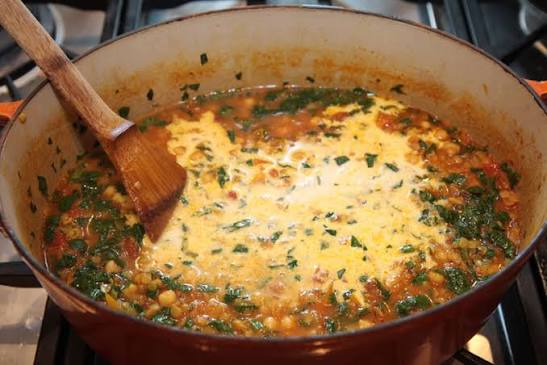
8. Make-Ahead Cheesy Potato and Ham Bake
A layered potato and ham casserole with a simple cheese sauce, built specifically to be assembled a day ahead and baked when guests arrive. This is the crowd-friendly, low-stress option in this guide.
| PREP | COOK | TOTAL | SERVINGS |
| 25 min | 55 min | 1 hr 20 min | 8 |
Ingredients:
- 3 lbs russet potatoes, thinly sliced
- 3 tablespoons unsalted butter
- 3 tablespoons all-purpose flour
- 2.5 cups whole milk
- 1.5 cups shredded sharp cheddar
- 1/2 cup grated Parmesan
- 2 cups diced cooked ham
- 1 teaspoon salt
- 1/2 teaspoon black pepper
- 1/4 teaspoon ground nutmeg
Instructions:
- Melt the butter in a saucepan over medium heat. Whisk in the flour and cook for 1 minute, until it smells toasted.
- Slowly whisk in the milk and cook, stirring often, until the sauce thickens enough to coat the back of a spoon, about 6 minutes.
- Remove from heat and stir in the cheddar, Parmesan, salt, pepper, and nutmeg until melted and smooth.
- In a greased 9×13 inch baking dish, layer a third of the potatoes, a third of the ham, and a third of the cheese sauce. Repeat twice more, ending with sauce on top.
- Cover with foil and bake at 375°F (190°C) for 40 minutes, then uncover and bake 15 more minutes, until the potatoes are fork-tender and the top is golden.
- Let rest for 10 minutes before serving so the sauce sets slightly.
Doneness and food safety: since the ham is already fully cooked, the goal is heating it through and cooking the potatoes until tender, which a fork inserted into the center will confirm. The finished dish should reach at least 165°F (74°C) at the center if it was assembled cold, per USDA guidance for reheated dishes containing precooked meat.
Substitutions: diced cooked turkey or a plant-based ham alternative can replace the ham for a different protein. Gruyere can replace some or all of the cheddar for a sharper flavor.
Storage and reheating: refrigerate leftovers for up to 4 days. Reheat individual portions in the microwave, or the full dish covered in a 350°F oven for about 20 minutes.
Make-ahead: assemble the full casserole up to 1 day ahead, cover tightly, and refrigerate unbaked. Bake straight from the refrigerator, adding about 10 to 15 extra minutes to the covered bake time.
Nutrition estimate per serving: about 430 calories, 18 g protein, 38 g carbs, 24 g fat, 13 g saturated fat, 690 mg sodium.
Five Complete New Year’s Dinner Menus
Each menu below draws from the recipes above and adds simple, non-recipe pairing suggestions where useful.
Romantic Dinner for Two
Pan-Seared Salmon with Lemon Butter Sauce, served with a simple green salad and crusty bread. The salmon recipe is already sized for two, and the whole meal comes together in under 30 minutes, leaving time to actually sit down together before midnight.
Family Dinner
Sheet-Pan Rosemary Chicken Thighs with Root Vegetables is the whole meal in one pan, needing only a green vegetable or dinner rolls on the side if you want something extra. Low cleanup, low stress, and forgiving if dinner runs late.
Dinner-Party Menu
Herb and Garlic Crusted Beef Tenderloin as the centerpiece, with Stuffed Acorn Squash with Wild Rice, Cranberries, and Goat Cheese as a substantial vegetarian side that also works as the main for any plant-based guests. Add a simple arugula salad to round out the table.
Lucky New Year’s Day Menu
Braised Pork Shoulder with Black-Eyed Peas and Greens, served with cornbread on the side. This single dish already carries the Southern U.S. black-eyed pea and greens tradition, and it’s built to be made ahead, which matters on a day when nobody wants to start cooking from scratch.
Budget-Friendly Menu
One-Pot Lentil and Vegetable Stew, served with crusty bread. Under $2 a serving in most areas, it makes ahead, freezes well, and stretches easily if more guests show up than planned.
Make-Ahead Timeline
A general schedule for spreading the work across the days before New Year’s, using the recipes above as examples.
- Up to 2 days ahead: cook the Lentil and Vegetable Stew or the Braised Pork with Black-Eyed Peas and Greens in full; both reheat well and taste better after a day in the refrigerator.
- Up to 1 day ahead: assemble the Cheesy Potato and Ham Bake unbaked and refrigerate. Chop vegetables for the sheet-pan chicken. Mix the wild rice filling for the stuffed squash and refrigerate separately.
- The morning of: mix the herb paste for the beef tenderloin and let the roast come toward room temperature about 45 minutes before cooking. Roast the squash halves so they’re ready to fill later.
- Right before serving: sear the salmon and finish its pan sauce, since crisp skin doesn’t hold up to reheating. Bake the potato casserole from the refrigerator, adding extra time as noted in that recipe.
General Storage and Reheating Guidance
Refrigerate leftovers within 2 hours of cooking, per USDA food-safety guidance, in shallow airtight containers so they cool quickly. Most of the dishes in this guide keep for 3 to 5 days refrigerated; specific timelines are listed with each recipe. When reheating, bring food to an internal temperature of 165°F (74°C), whether in the microwave, oven, or stovetop, and stir or rotate partway through to avoid cold spots.
Troubleshooting Common Problems
- The beef tenderloin cooked unevenly: usually means the roast wasn’t uniform in thickness, or it went into the oven cold. Tuck the thinner tail end underneath itself before tying, and let the roast sit out before cooking so the outside isn’t shocking-cold against the hot pan.
- The chicken skin didn’t crisp: usually a wet surface or an overcrowded pan. Pat the chicken very dry before seasoning, and give each piece enough space on the sheet pan for air to circulate.
- The braised pork is tough instead of falling apart: it needs more time, not less. Tough braised meat almost always means it was pulled before the connective tissue fully broke down; keep it at a low simmer and check again in 20-minute increments.
- The baked ziti is watery: usually undercooked pasta soaking up less sauce, or spinach releasing water as it bakes. Slightly undercooking the pasta is intentional, but make sure the ricotta mixture is well drained and not overly wet before assembling.
- The potato bake has a broken or grainy cheese sauce: usually means the heat was too high when the cheese was added. Pull the sauce off the heat before stirring in the cheese, and add it gradually rather than all at once.
Frequently Asked Questions
What’s a good New Year’s dinner for two people?
Pan-Seared Salmon with Lemon Butter Sauce is built for two and ready in under 30 minutes, which leaves more of the evening free. It also scales up easily if plans change.
What should I make for a big New Year’s dinner party?
Pair a make-ahead-friendly main, like the beef tenderloin’s herb paste prepped in advance, with a substantial side that doesn’t need last-minute attention, like the stuffed acorn squash. Both hold up well when a crowd is involved.
Is black-eyed peas and pork a New Year’s Eve or New Year’s Day tradition?
It’s a New Year’s Day tradition, specifically associated with the Southern United States, not a New Year’s Eve custom. It’s traditionally eaten on January 1, not the night before.
What’s an easy New Year’s dinner that doesn’t need much attention?
Sheet-Pan Rosemary Chicken Thighs with Root Vegetables cooks in one pan with about 15 minutes of hands-on prep, then goes into the oven largely unattended for 35 to 40 minutes.
Can I make a New Year’s dinner ahead of time?
Yes. The Lentil and Vegetable Stew, the Braised Pork with Black-Eyed Peas and Greens, and the Cheesy Potato and Ham Bake all hold up well when made a day or two ahead and reheated. See the make-ahead timeline above for a full schedule.
What’s a budget-friendly New Year’s dinner option?
The One-Pot Lentil and Vegetable Stew uses inexpensive pantry staples, feeds six, and costs a fraction of a meat-based main per serving, while still working as a full meal rather than a side dish.
What temperature is safe for beef tenderloin?
USDA guidance lists 145°F (63°C) with a 3-minute rest as the minimum safe internal temperature for whole cuts of beef. Some cooks prefer to pull tenderloin closer to 130 to 135°F for a more pink center, which is a personal preference below the USDA recommendation rather than a food-safety guideline.
What’s a good vegetarian main for a New Year’s dinner?
Stuffed Acorn Squash with Wild Rice, Cranberries, and Goat Cheese is substantial enough to serve as a main course rather than a side, and it can be made dairy-free by swapping the goat cheese for a plant-based alternative.
How far ahead can I prep New Year’s dinner sides?
Most chopped vegetables hold up in the refrigerator for a day without much quality loss. Rice- or grain-based fillings, like the one in the stuffed squash, can be made up to 2 days ahead and combined with the freshly roasted component just before serving.
Leave a Reply
You must be logged in to post a comment.